
El Raval Food Guide: Where to Actually Eat in Barcelona
Ask someone where to eat in Barcelona and they'll point you toward Las Ramblas. Don't go. Not for food, anyway — it's the one part of the city where the kitchens cook for turnover, not for flavor.
Ten minutes on foot from there, in El Raval, the story changes completely. This is one of the oldest and most diverse neighborhoods in Barcelona, and — for exactly that reason — one of the most honest places in the city to eat. Here's what that actually looks like on the ground.
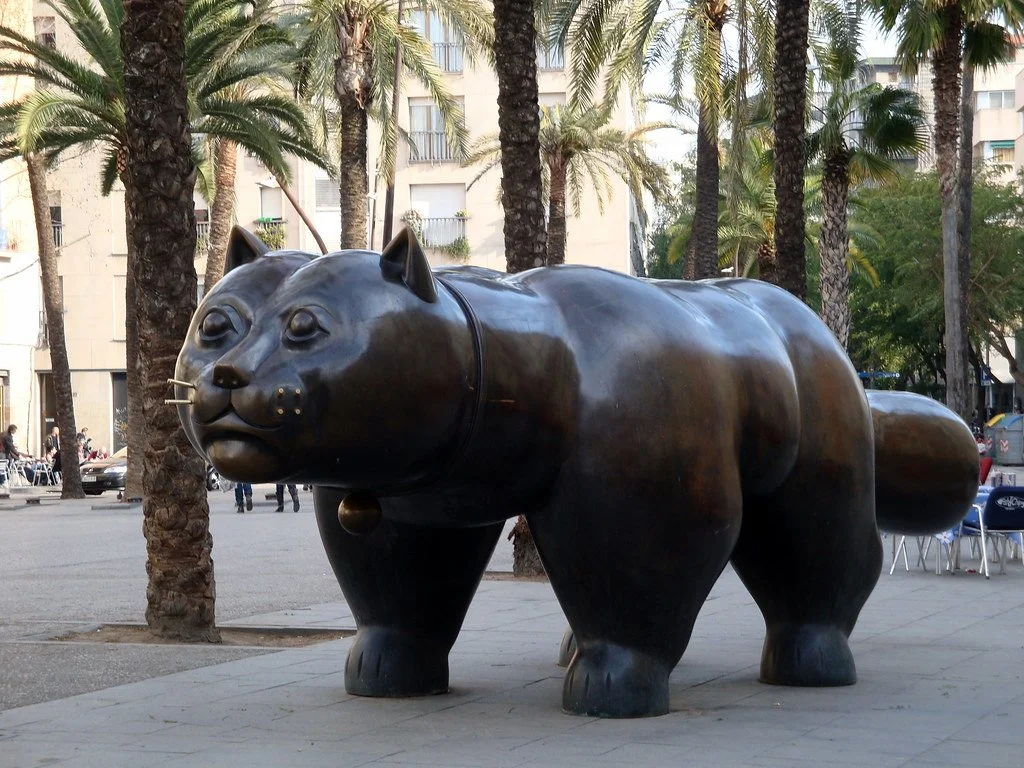
Why El Raval isn't La Rambla's food scene
El Raval spent decades as the part of the old city nobody put on a postcard. That's precisely what protected it. While the streets around La Rambla filled up with restaurants built for a five-minute stop between the Sagrada Família and the airport, El Raval kept its market stalls, its family-run kitchens, and its residents. It's still a five-minute walk from the Boqueria and the harbor, but it doesn't run on tourist economics — most of the places here cook for the people who live upstairs, not for a coach tour.
That matters more than it sounds. A kitchen cooking for neighbors who'll be back next week has no reason to cut corners. A kitchen cooking for someone who'll never return does.
The market culture that never left
Skip the Boqueria's front entrance — the one facing Las Ramblas is pure spectacle at this point, more photo backdrop than market. Walk instead to Mercat de Sant Antoni, ten minutes from El Raval's heart. Monday to Saturday it's a proper neighborhood food market: fresh produce, fishmongers, butchers, none of it styled for Instagram. On Sundays the whole building turns into a secondhand book market that wraps around the entire perimeter — one of the most distinctly Barcelona things you can do that has nothing to do with rice or paella at all.
El Raval's food identity doesn't stop at Spanish cooking, either. Decades of migration from the Philippines, Pakistan, Morocco and beyond have made this one of the most genuinely multicultural pockets of the city — you'll find real Filipino bakeries and Pakistani grocers a few streets from tapas bars that have been open since before either of you were born. That mix is not a marketing angle. It's just what the neighborhood is.
What to actually eat here
Rice is the dish everyone comes to Barcelona expecting, and it's also the easiest one to get wrong. If you want the short version of how to tell a real paella from a reheated one — the socarrat test, the timing, the rice variety — we've written the full breakdown here. The short of it: if it arrived in under twenty minutes, it was made hours ago.
Beyond rice, El Raval's tapas culture is worth taking seriously on its own terms — small, unpretentious bars where the menu is short because everything on it is done properly. Look for places with a handwritten board rather than a laminated multilingual menu; it's a small tell, but a reliable one.
Rice to Meet You: the centerpiece
If there's one stop in El Raval that sums up what this neighborhood does well, it's the corner of Carrer de la Lleialtat, where Rice to Meet You has been cooking since January 2026.
Everything here starts from the same place: Albufera D.O. Valencia rice, La Mancha D.O. saffron, and stocks made in-house every day — not from a concentrate, not shipped in. Two friends, Luis and Leo, built the whole project on that principle, and it shows in a restaurant that's earned 283+ reviews at a 5.0 average without a single ad campaign.
There are two ways to experience it. The restaurant is open Wednesday to Sunday, 1pm to 11pm, for anyone who wants to sit down and let the kitchen do the work — seafood paella, plus rice dishes with duck, pork cheek, or vegetables for anyone who assumes paella is the only option worth ordering.
The paella cooking class is the other option, and it's the one that turns a meal into something you'll actually remember. For €69 per person, you cook your own paella from sofrito to socarrat, guided step by step — no experience needed. It runs in small groups of up to twelve, Wednesday to Sunday at 6pm, 8pm and 10pm, and includes a welcome glass of cava, a tapa while you cook, two selected wines, and dessert once the table sits down together.
Book the paella cooking class →Reserve a table at the restaurant →
A realistic day of eating in El Raval
If you only have one day to give this neighborhood, here's how it fits together without rushing:
Morning: Start at Mercat de Sant Antoni. Walk it slowly, buy nothing more ambitious than a coffee and something to snack on.
Midday: Wander El Raval's tapas streets. Don't plan this part — this is the neighborhood where wandering works better than a reservation.
Evening: Book the 6pm or 8pm paella workshop at Rice to Meet You. It's a two-and-a-half-hour experience — cooking, eating, and the sobremesa afterward — that turns into the one thing from the trip people actually bring up months later.
That's the honest version of eating in El Raval: less curated than a food tour, more real than anything within sight of the Sagrada Família, and built around a neighborhood that never stopped cooking for itself.